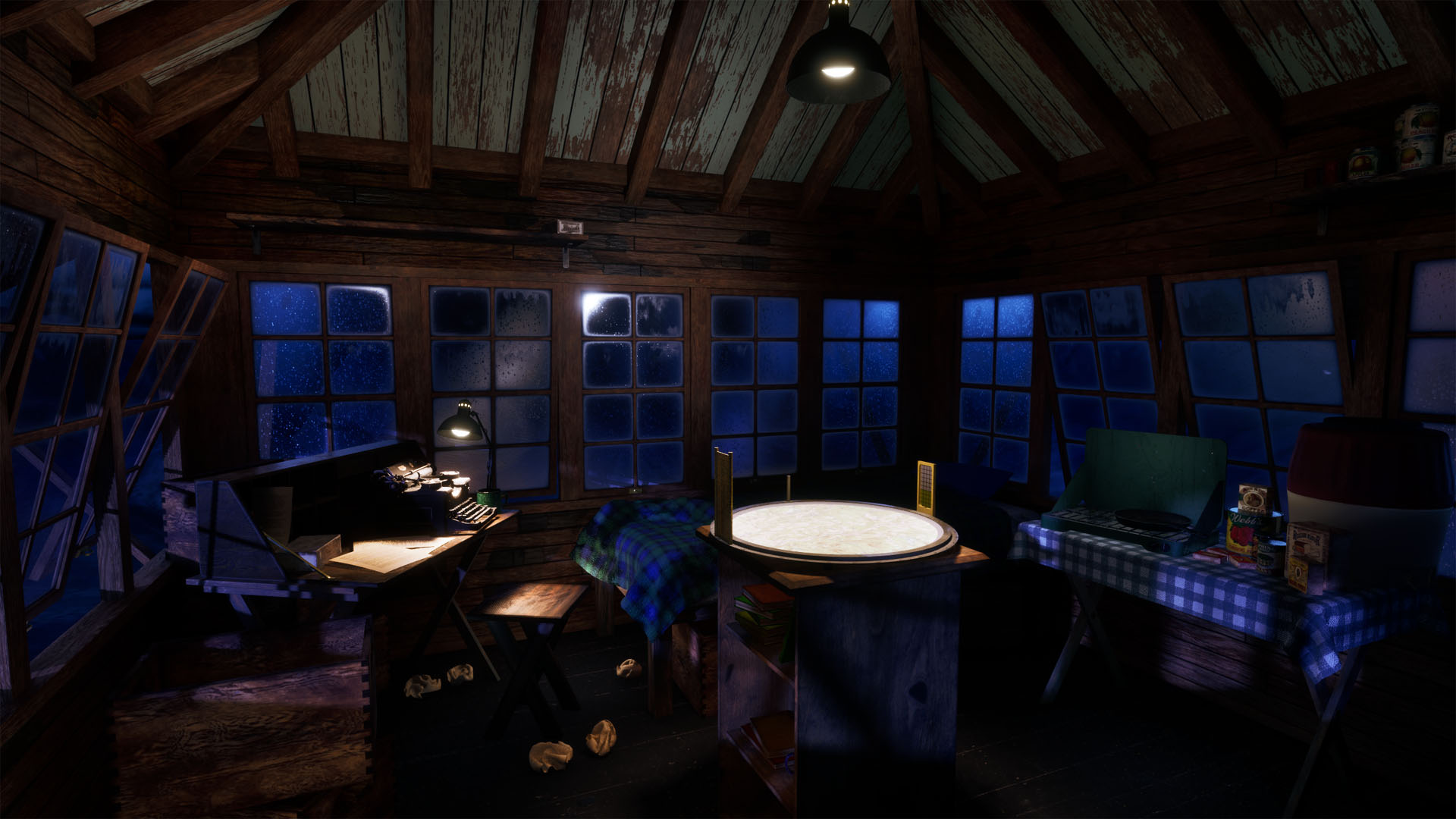
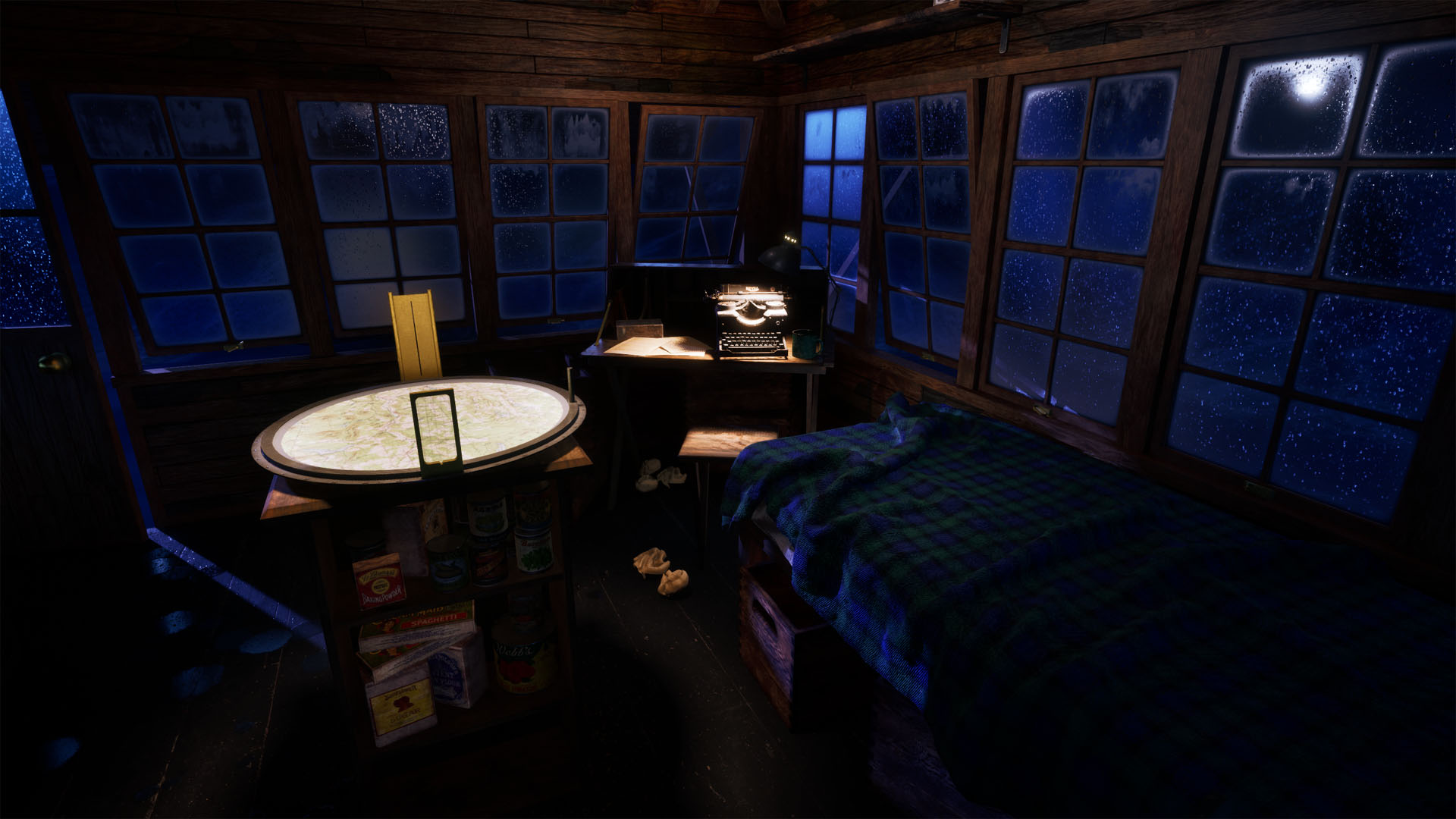
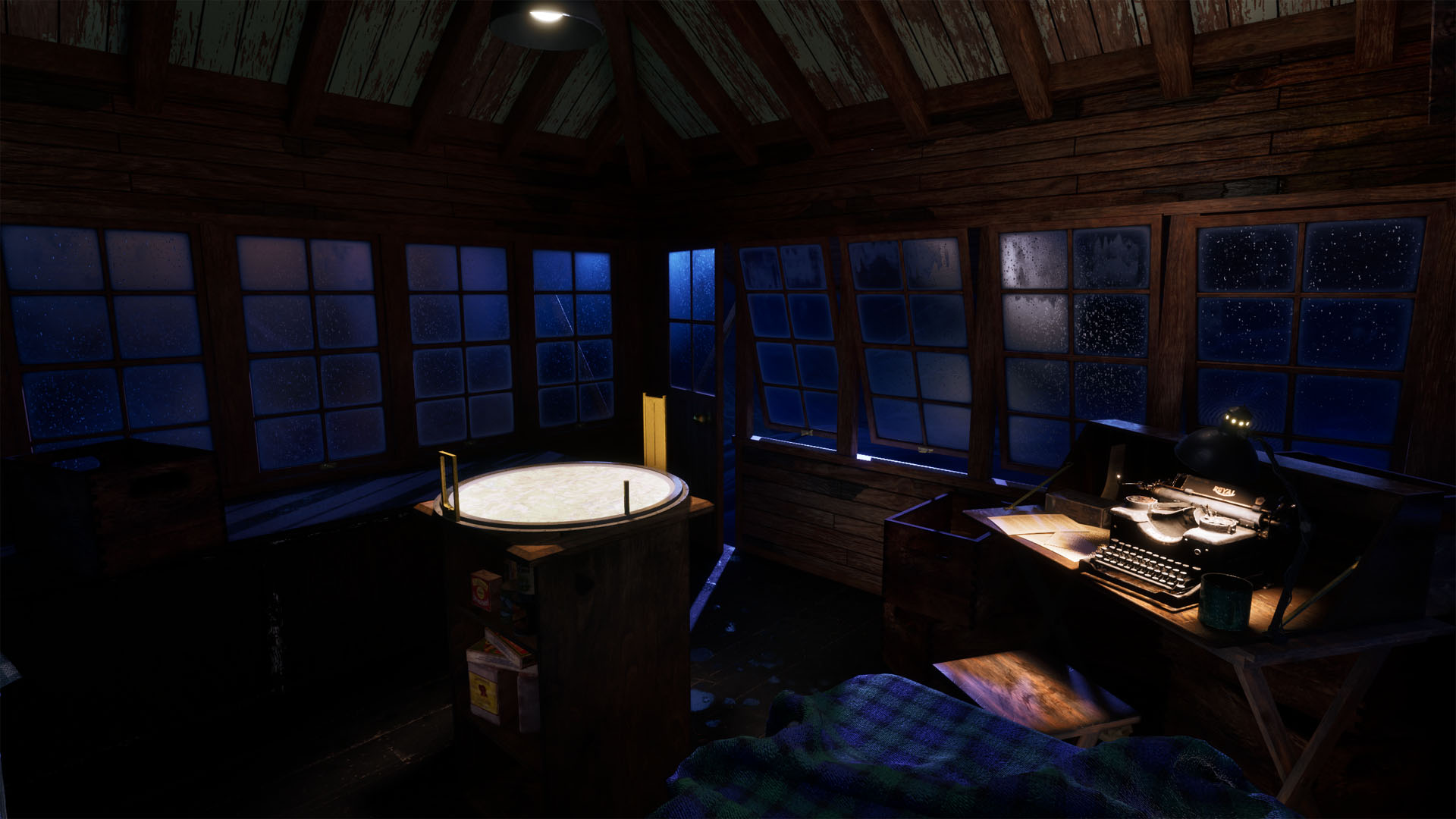
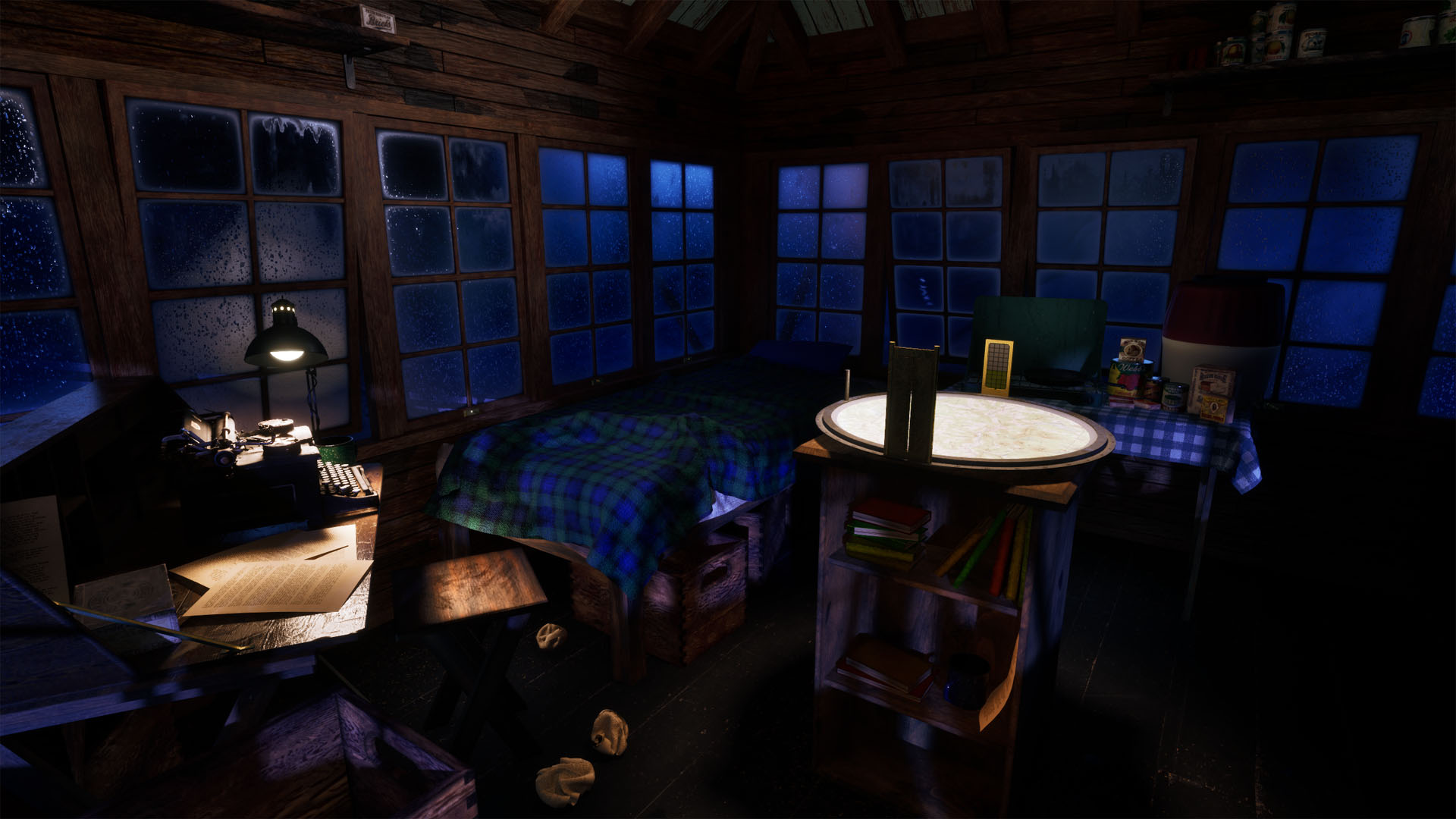
Over the course of 5 weeks I made a realistic fire tower interior in Unreal Engine. My main goal was to create a narrative-driven atmospheric environment. This breakdown walks through my process and the technical decisions I made, and presents a variety of techniques that brought the rainy night setting to life.
The beginnings
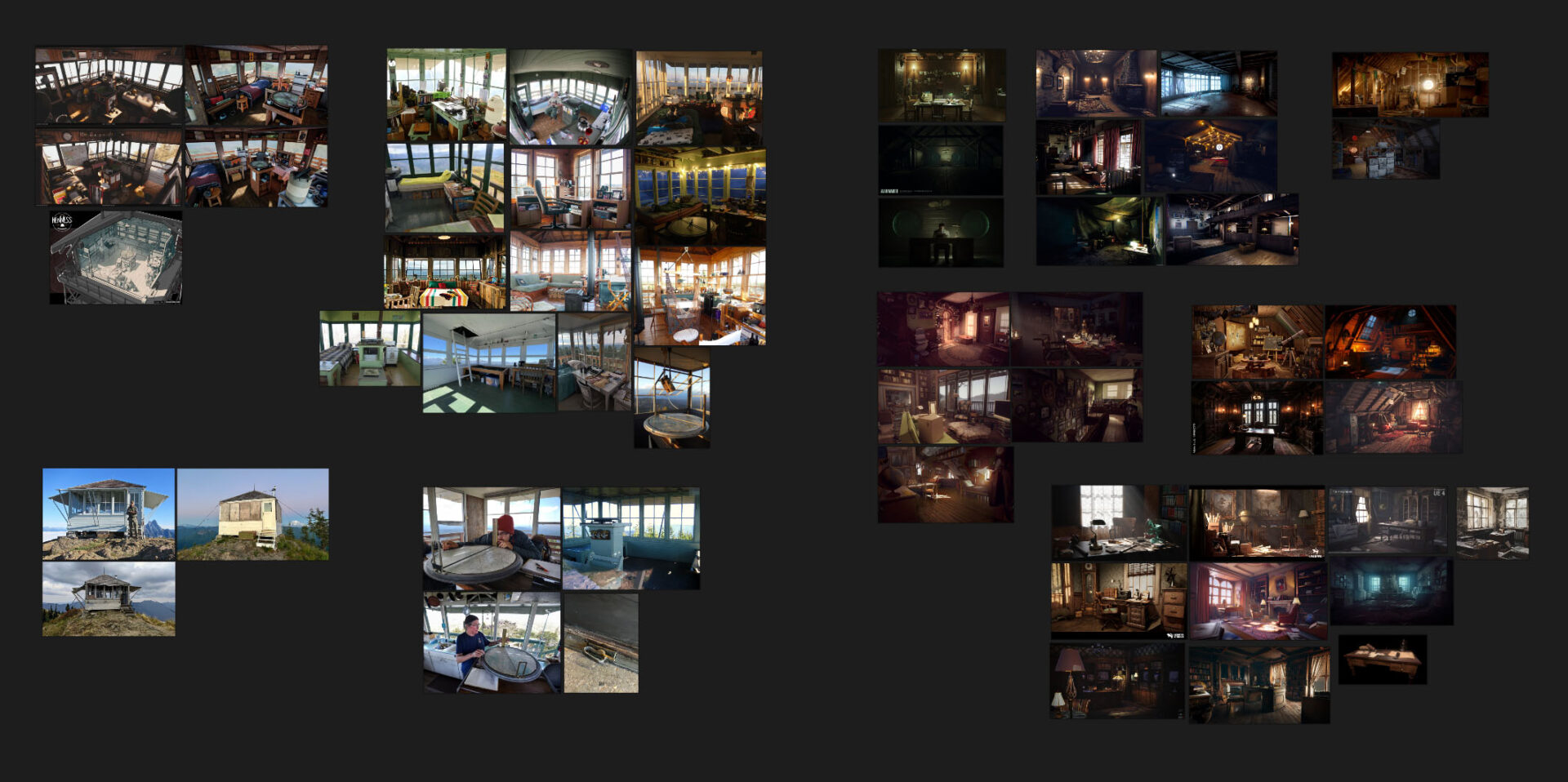
I always liked climbing fire towers on hikes and I decided that I would make one as a game environment project. There was a lot of potential for narrative to be included. Fire towers often contrast a lived-in and maintained environment within the surrounding wilderness.
I wanted to create a place that balances moody and cozy, is mysterious and cluttered, and makes the viewer wonder about its inhabitant.

Main structure
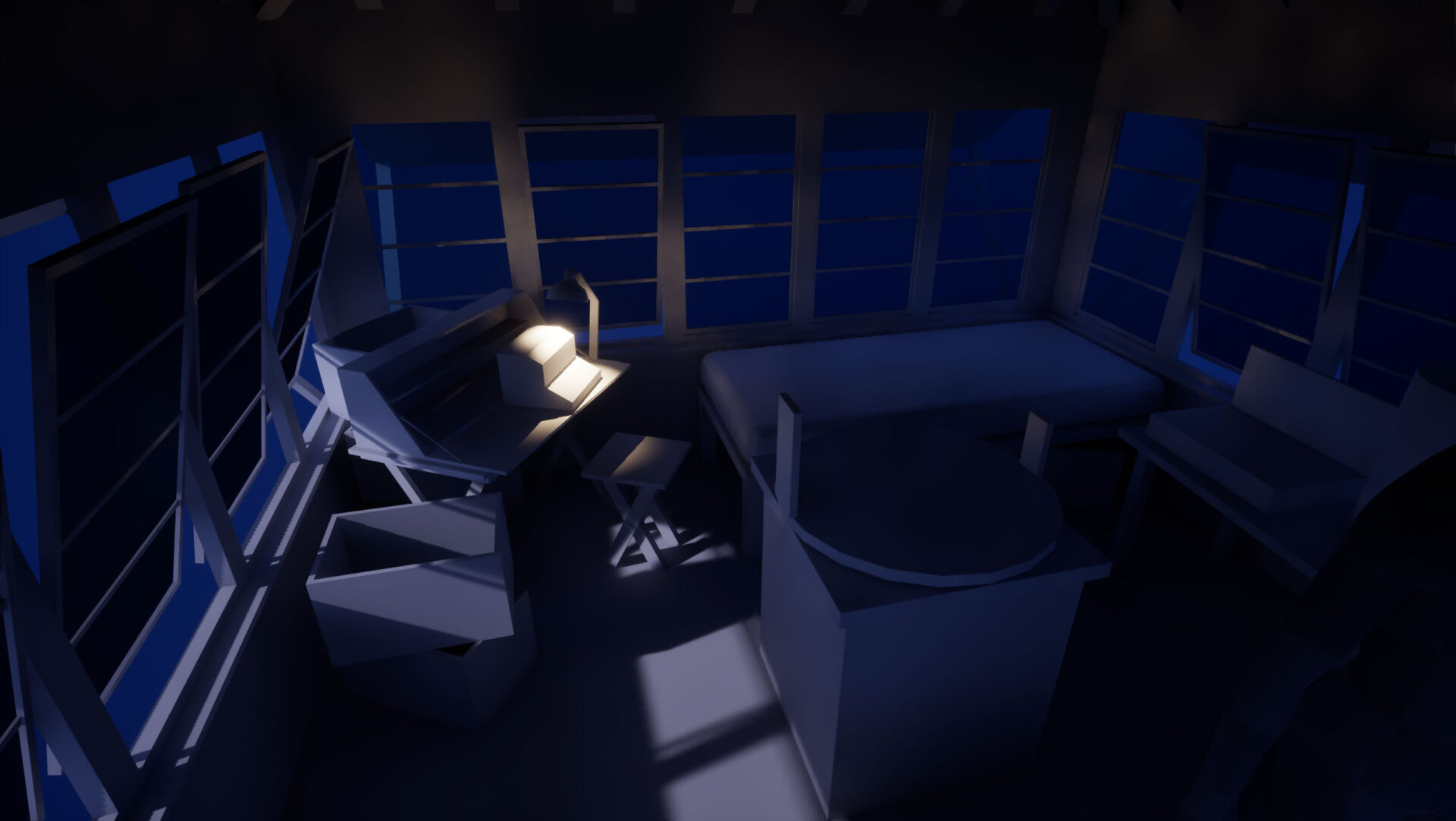
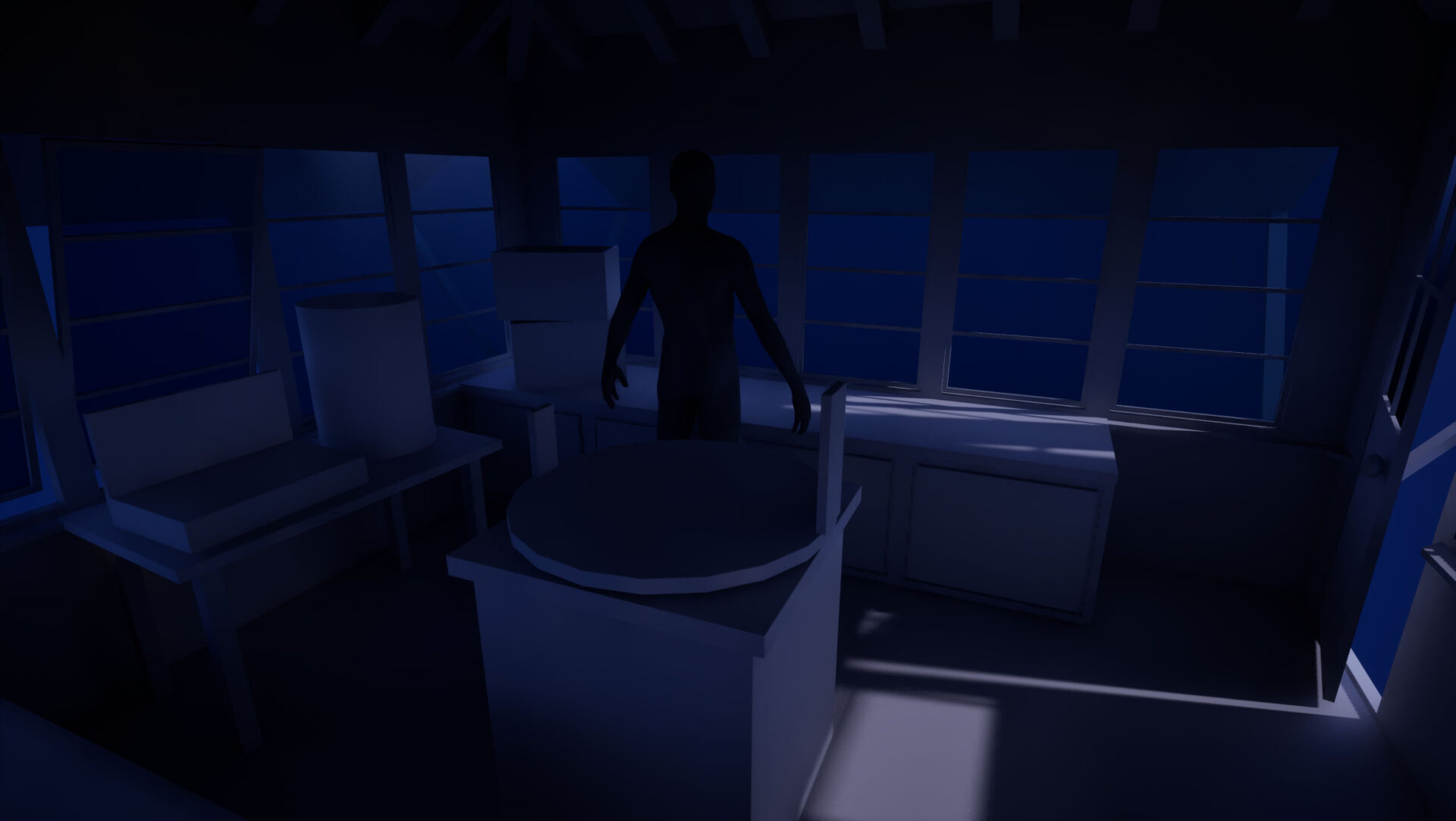
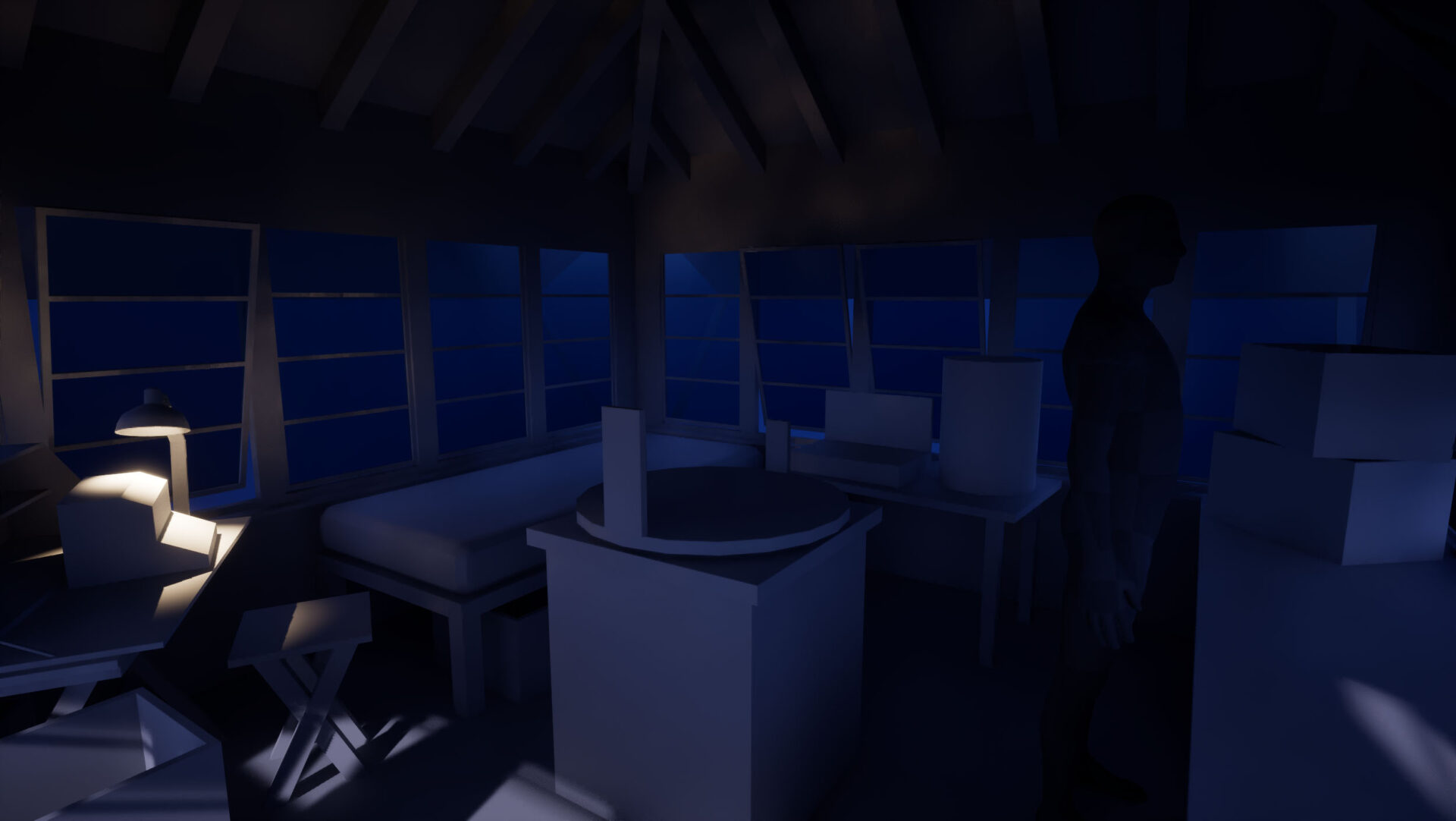
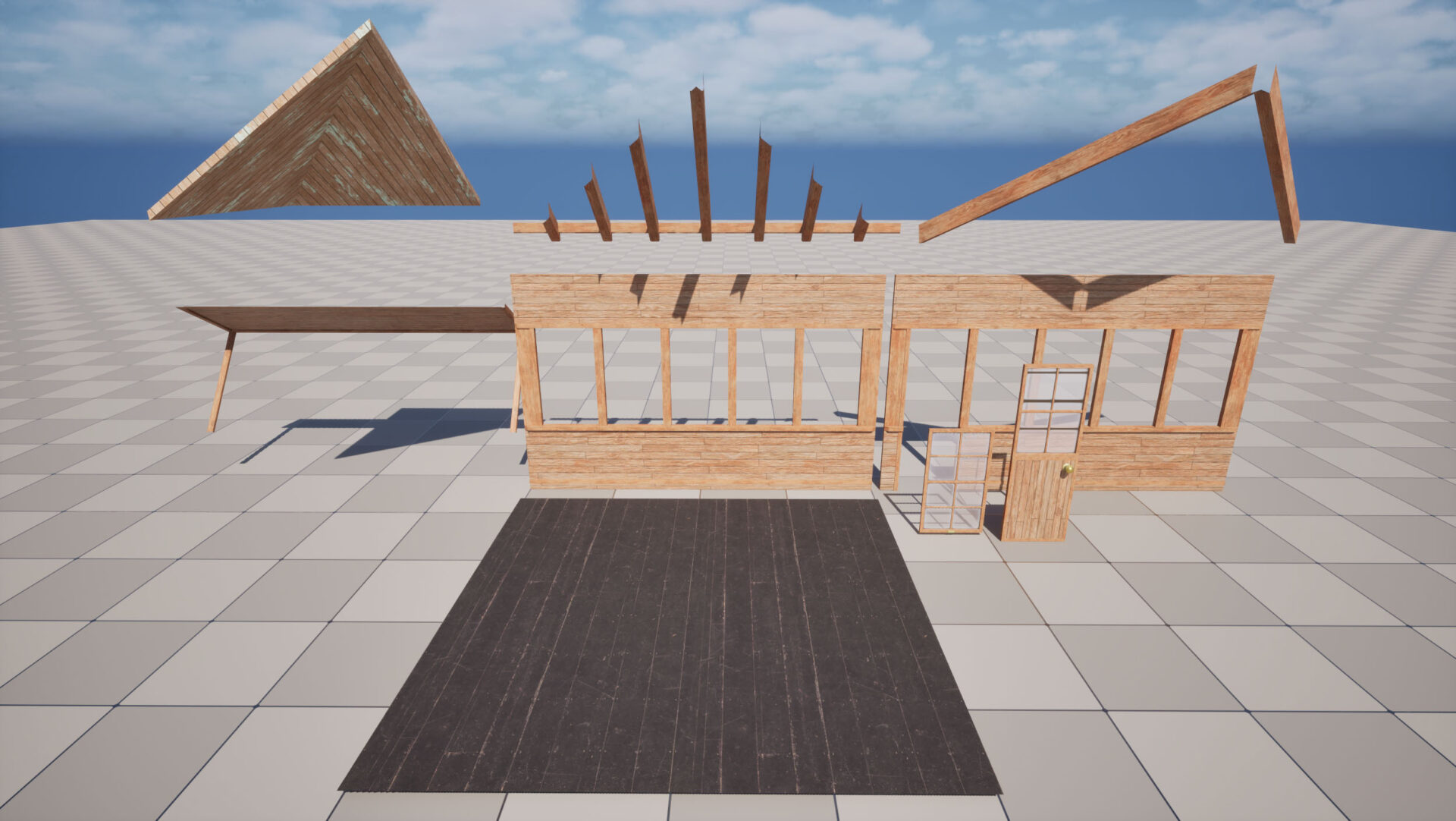
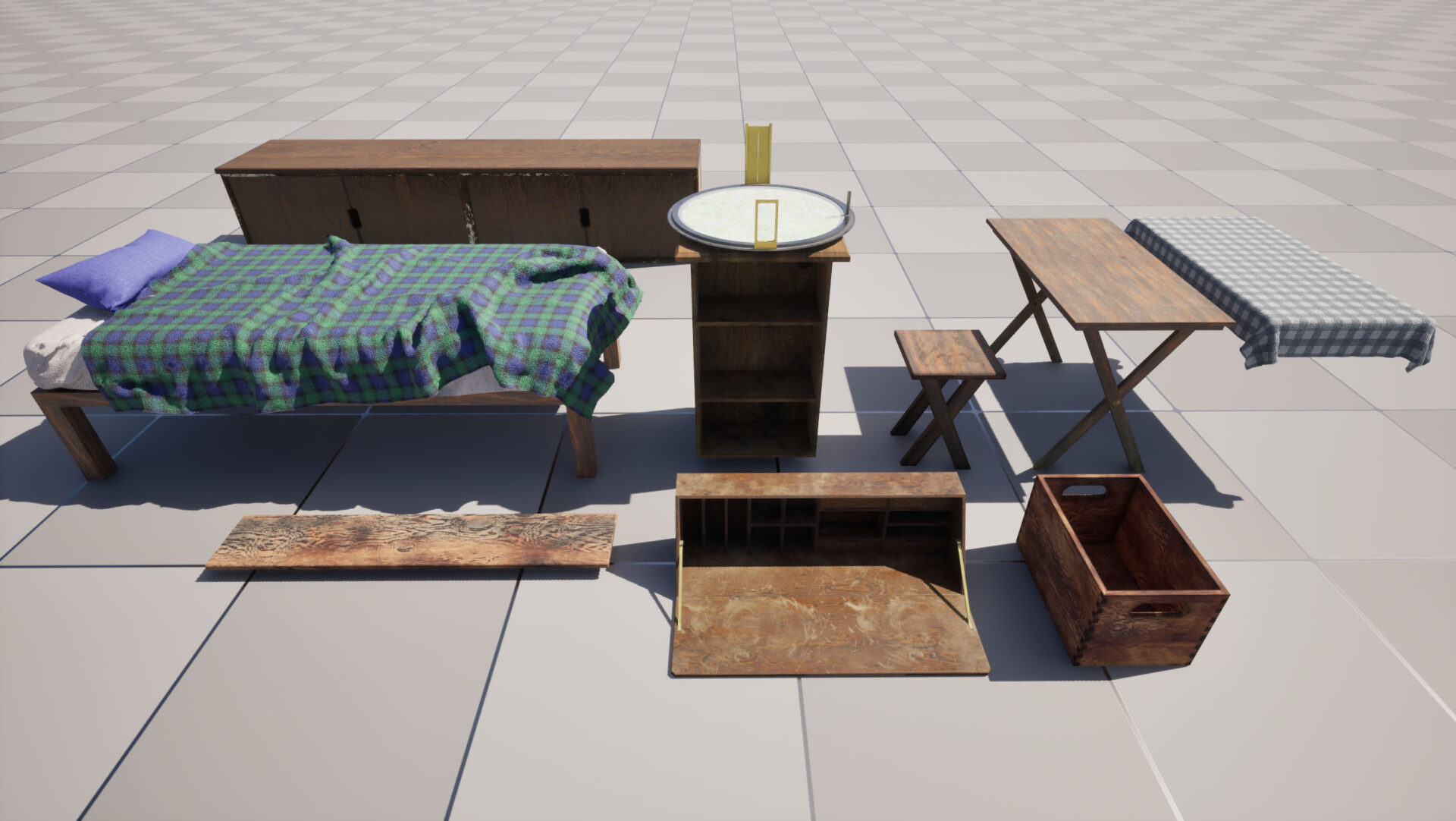
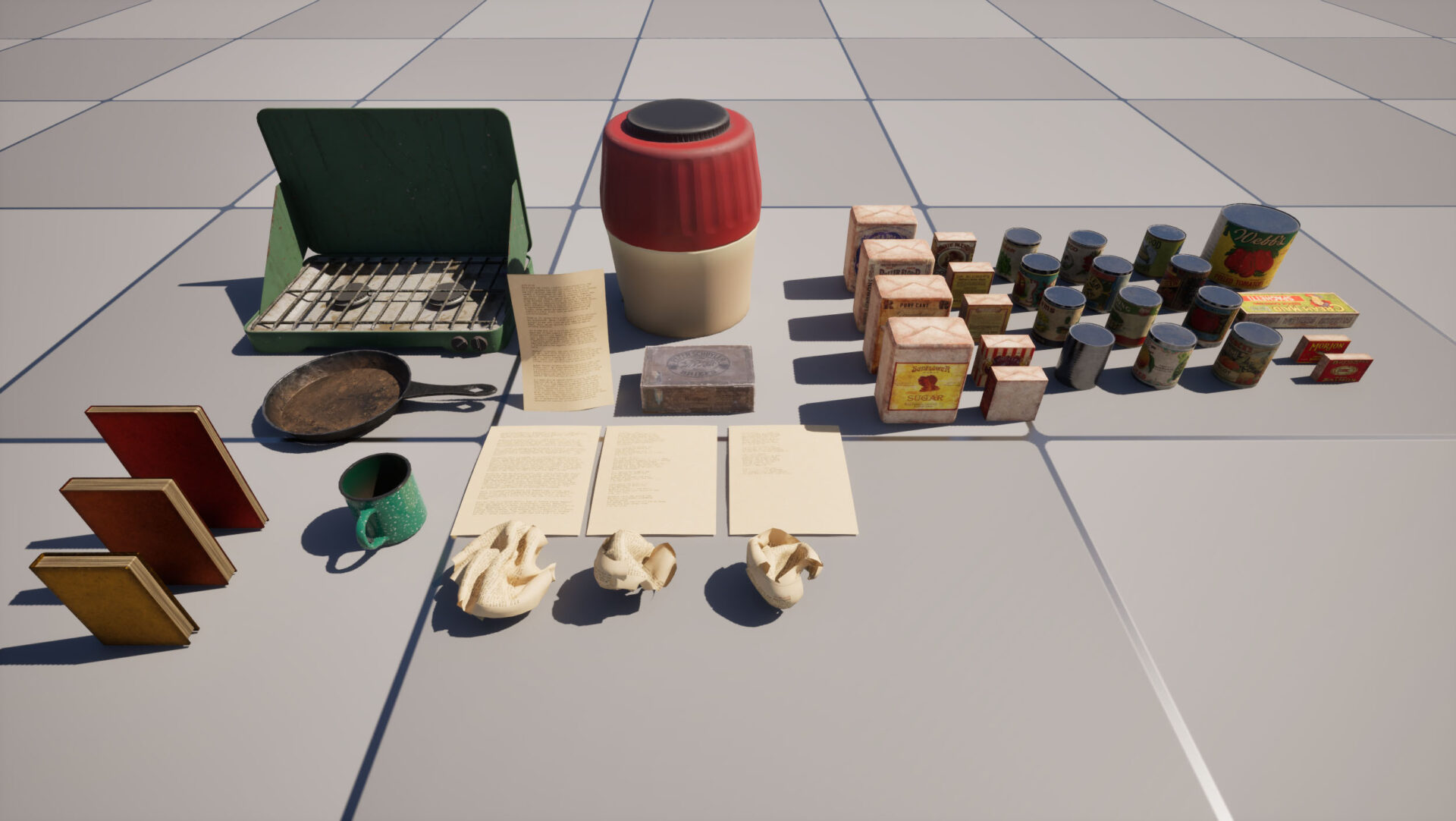
Modular elements are usually the bread and butter of such projects and this one is no exception. The main structure is composed of just a handful of elements with props to give life to the space.
Backdrop
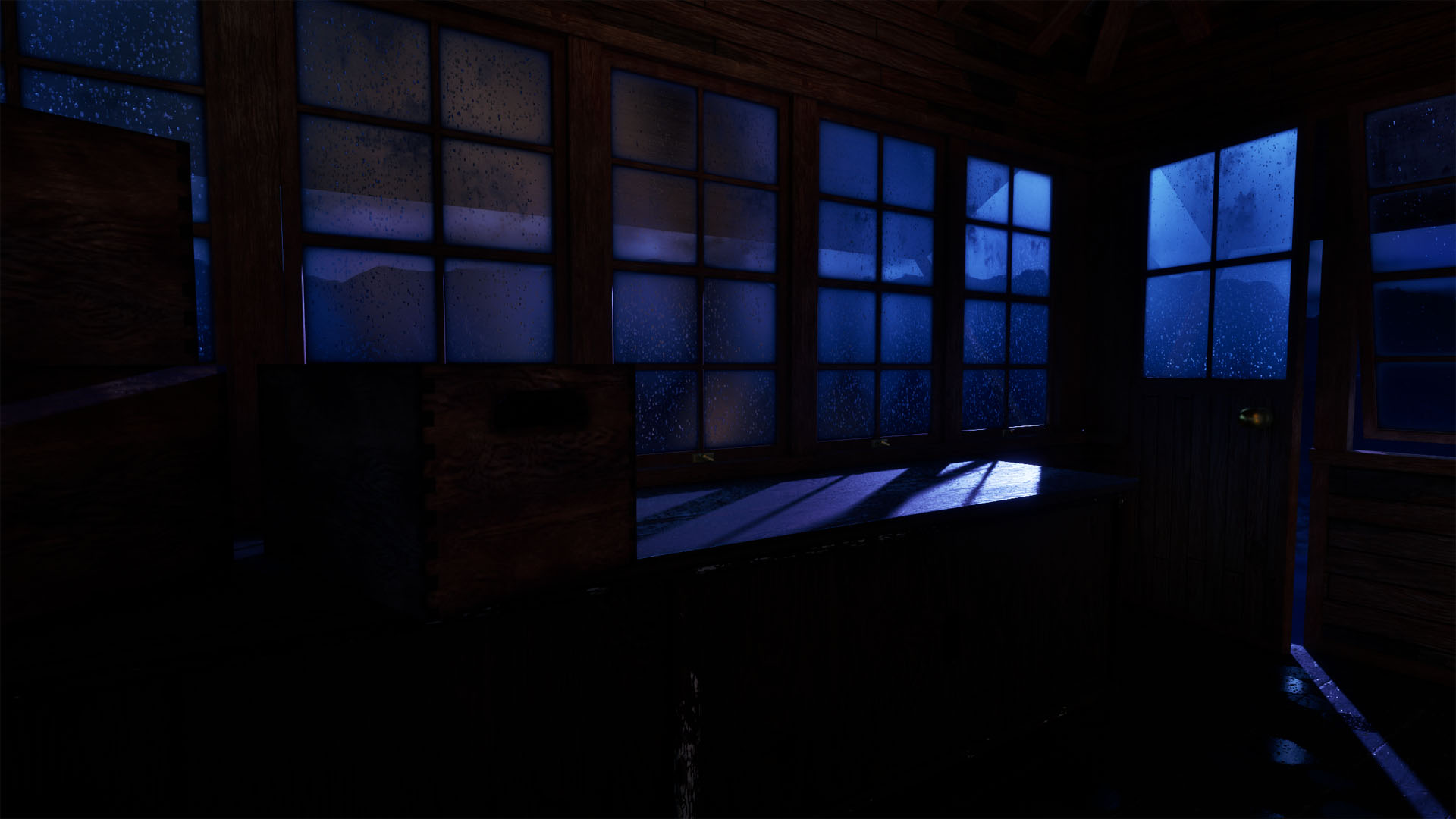
Since this project is an interior environment and fire towers famously are places that have a very open view to the environment, I had to be careful about masking the exterior as much as possible while also showing some of it.
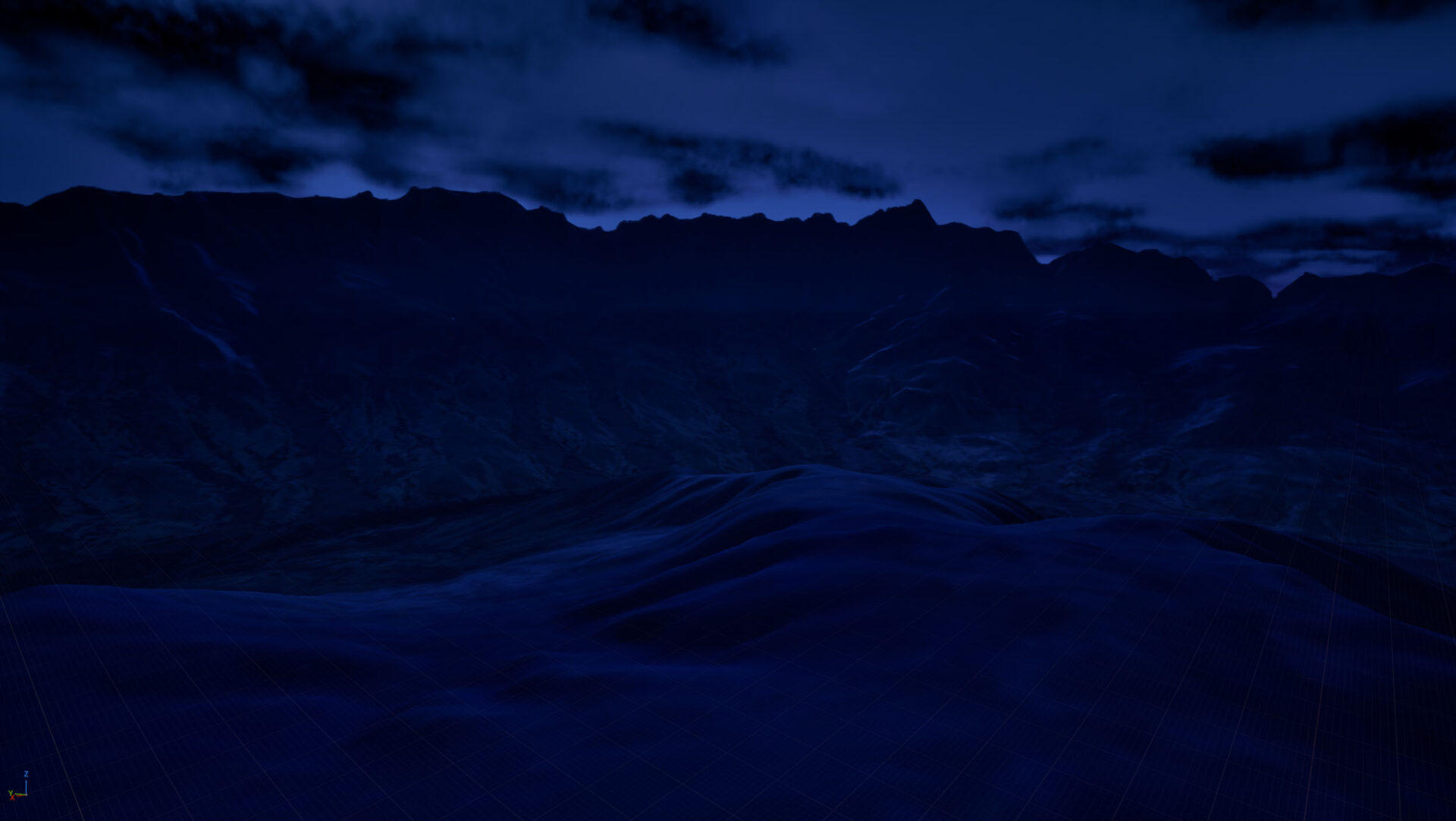
For this reason, I elected to go with a moonlit rainy night setting. It naturally directs focus to the interior without having to compromise much on the outside view, and it also helped me drive the narrative element of the project.
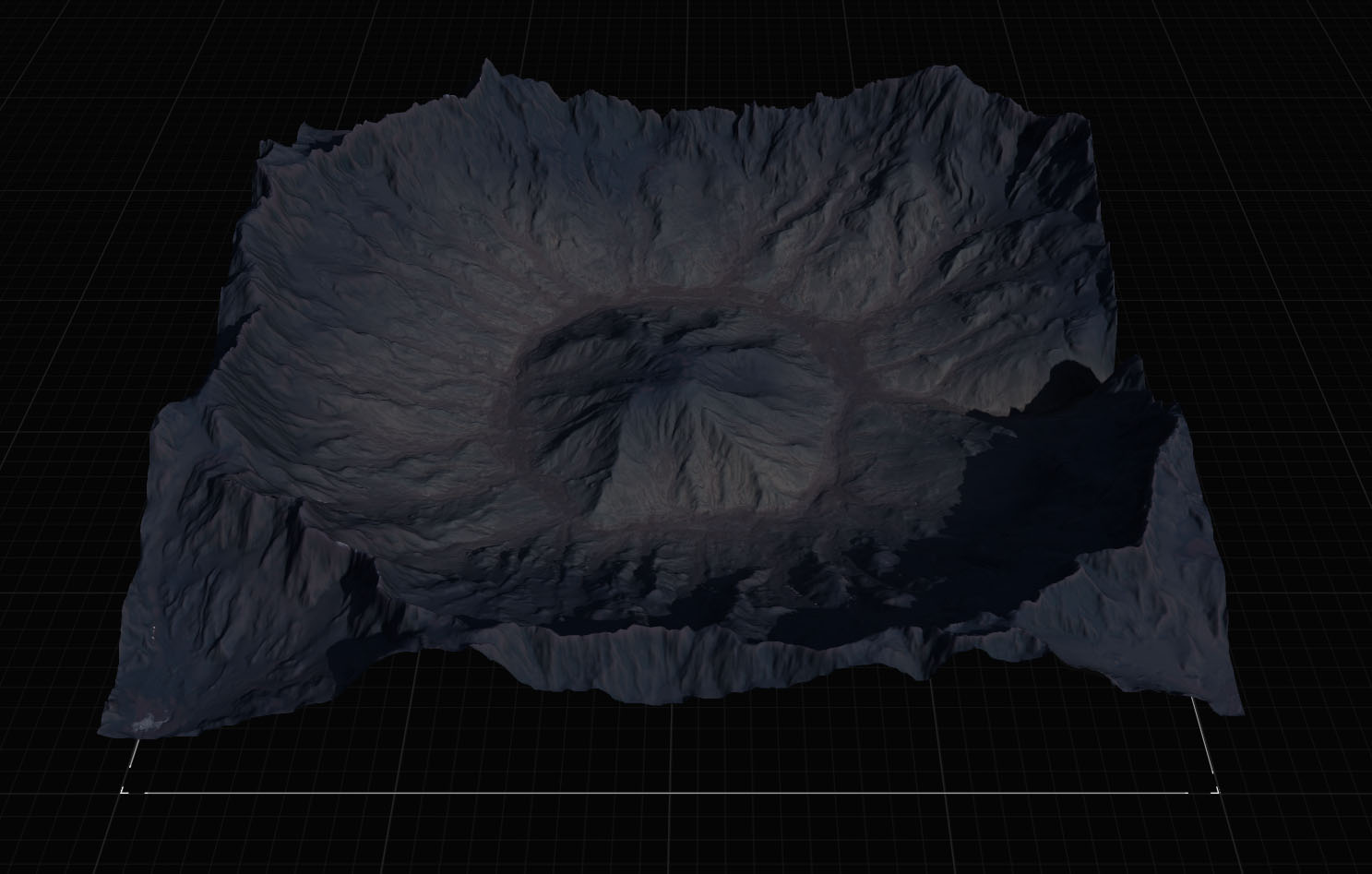
I quickly generated a landscape in Gaea to show silhouettes of mountains through the windows.
Rain shader
The landscape already set the mood for the scene, but to really drive the point home I spent a lot of time working on a rain shader for the windows.
The main components of this shader are the rain droplets, dripping water, blur, and noise-based dirt.
For the droplets, I generated a normal map in Substance Designer and used flood fill to assign a random value to some of them. I used this mask in Unreal to simulate droplets appearing.
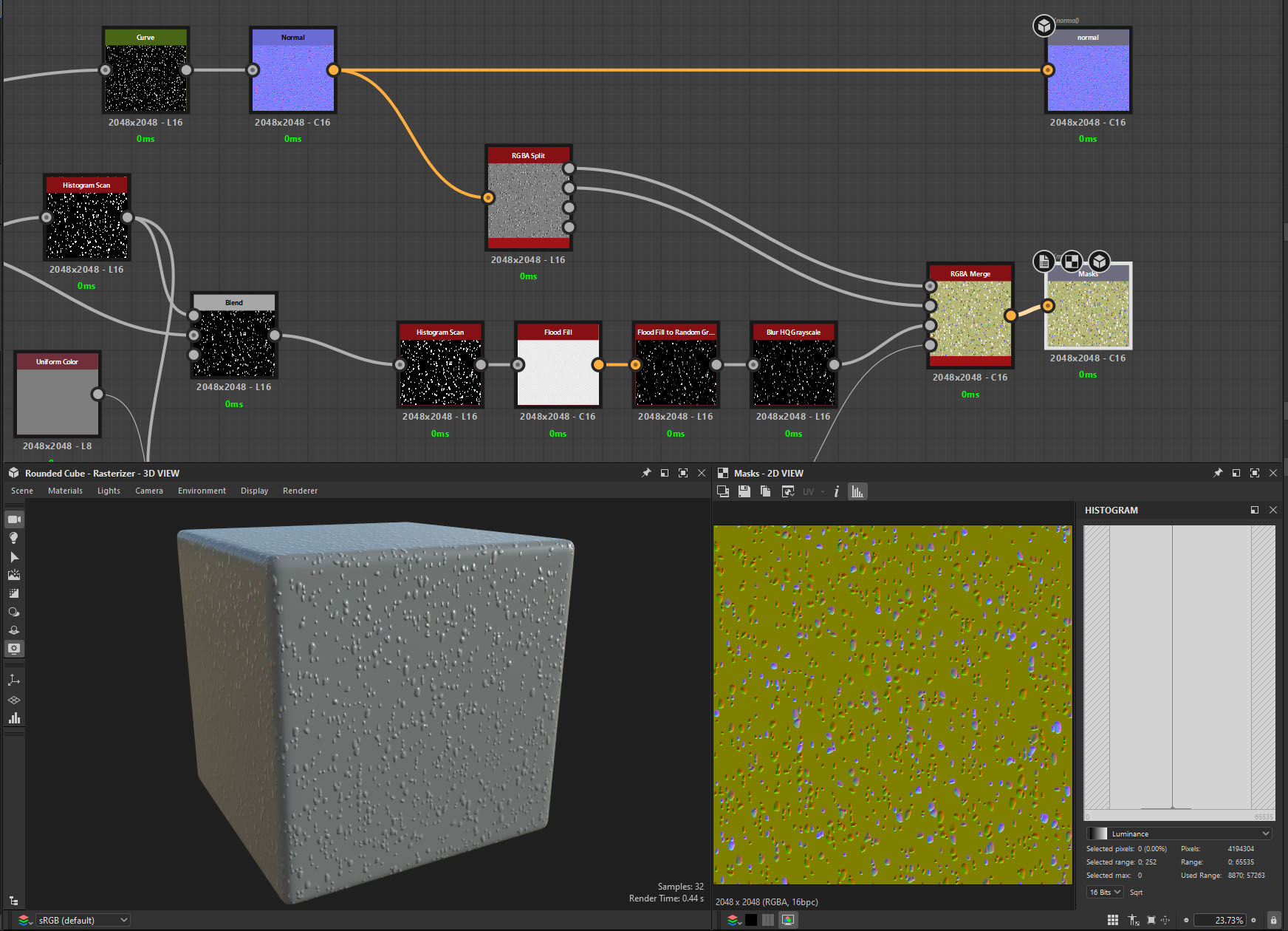
I started off with a similar approach for dripping water. Here I combined multiple “lanes” of drips in Substance, again with a random value mask for each.
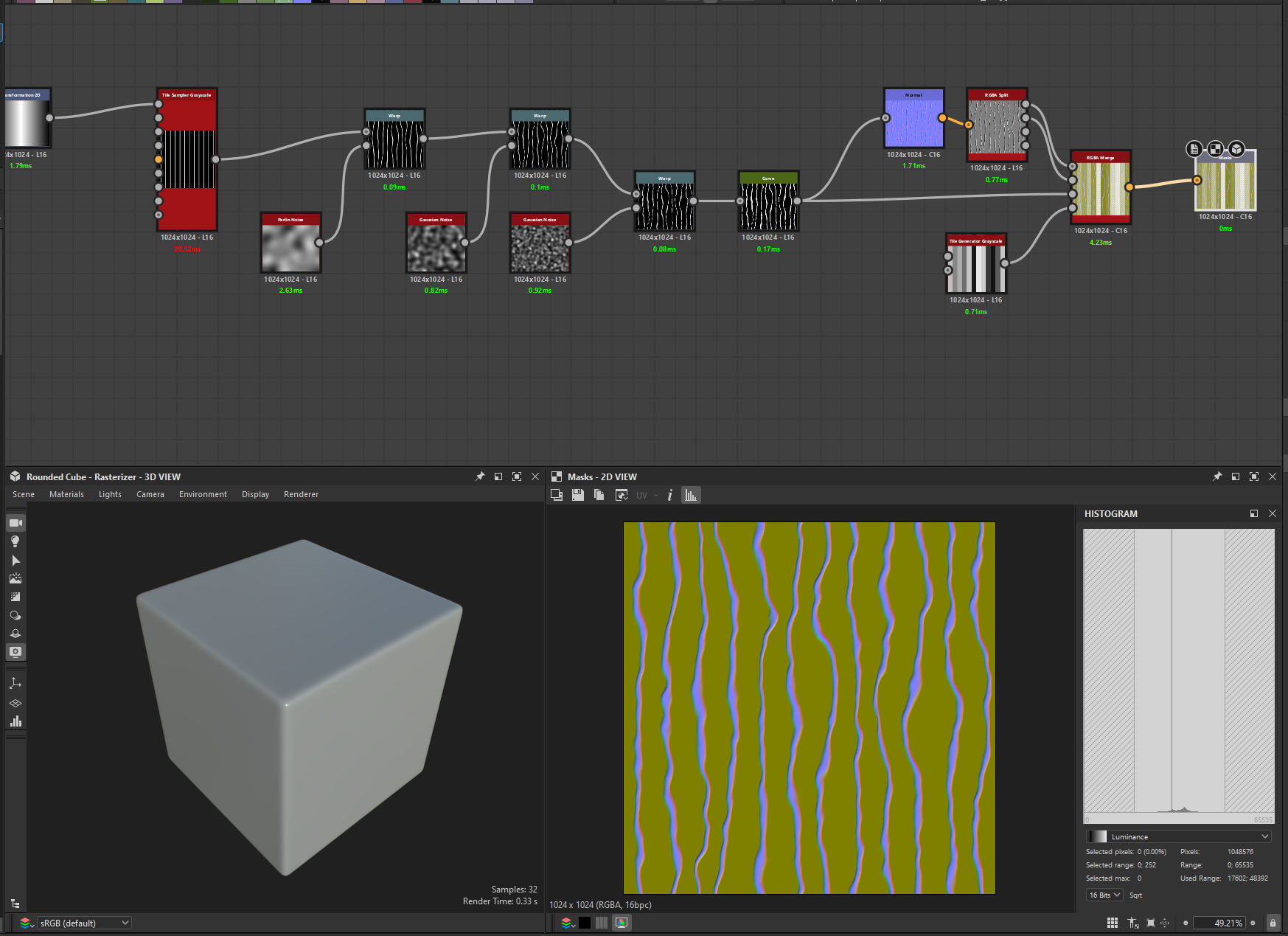
To animate them, I used a top-down gradient that I offset by the random mask from Substance.
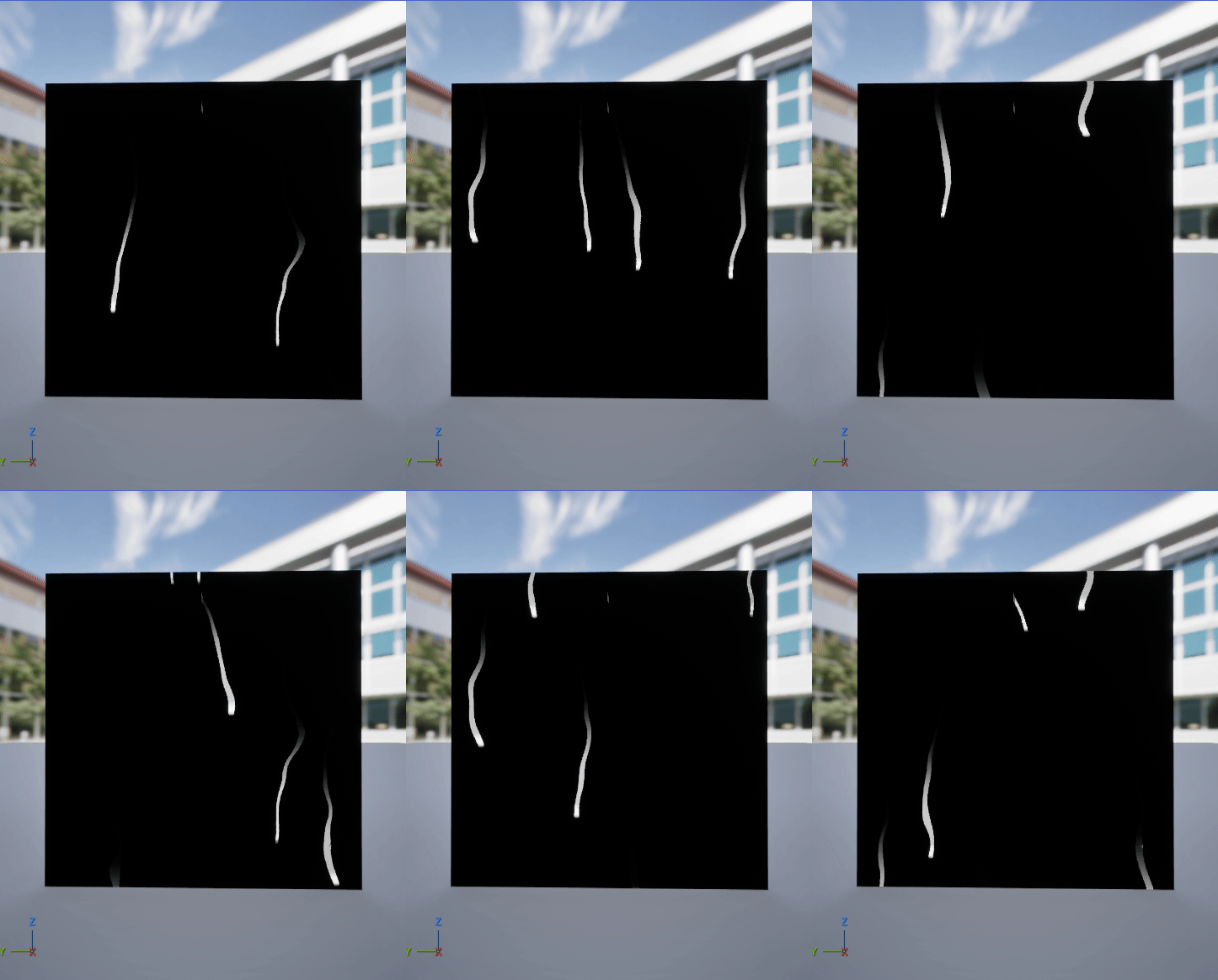
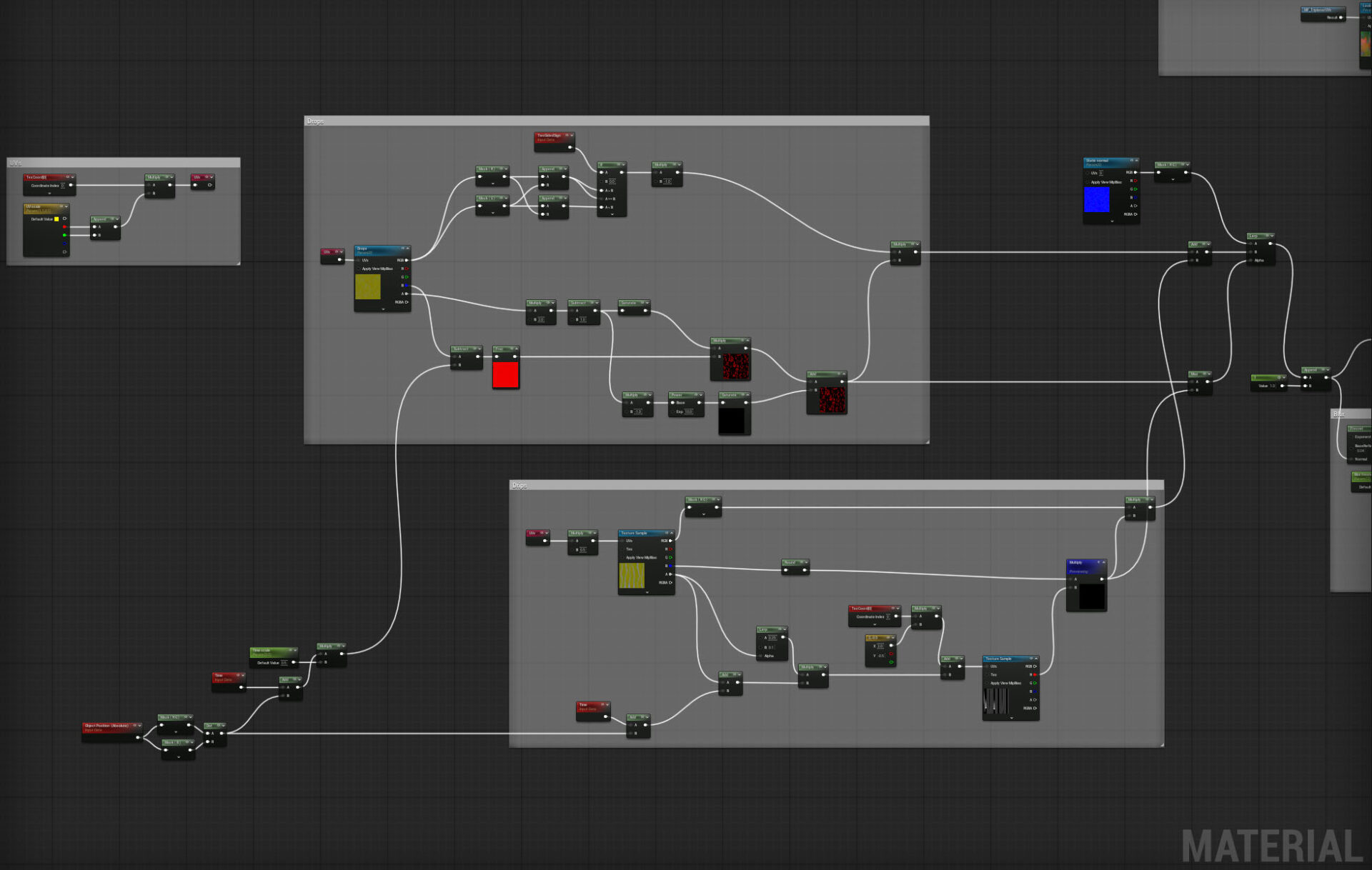
Finally, I added blur to simulate a frosted effect caused by humidity.
Photogrammetry
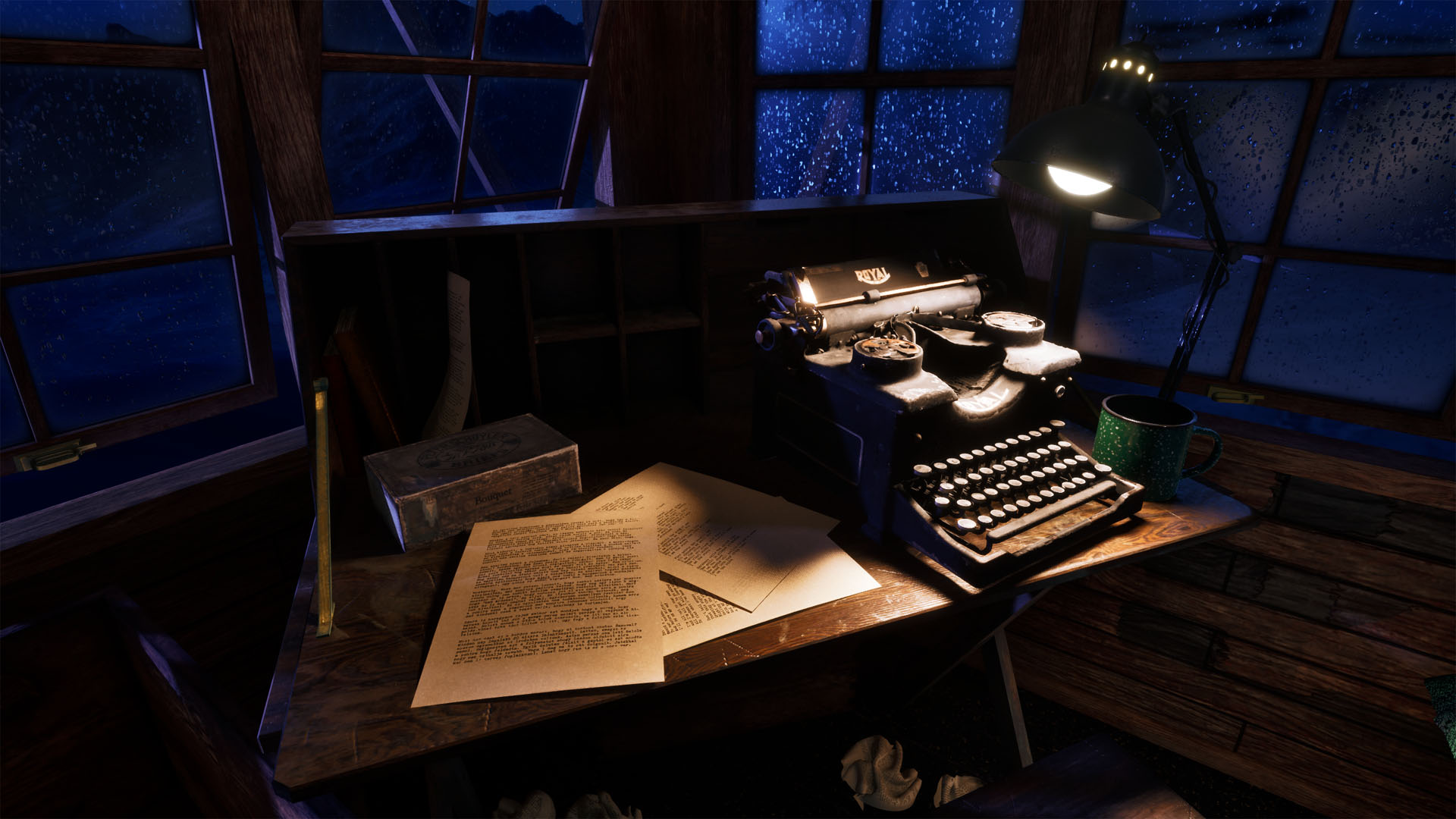
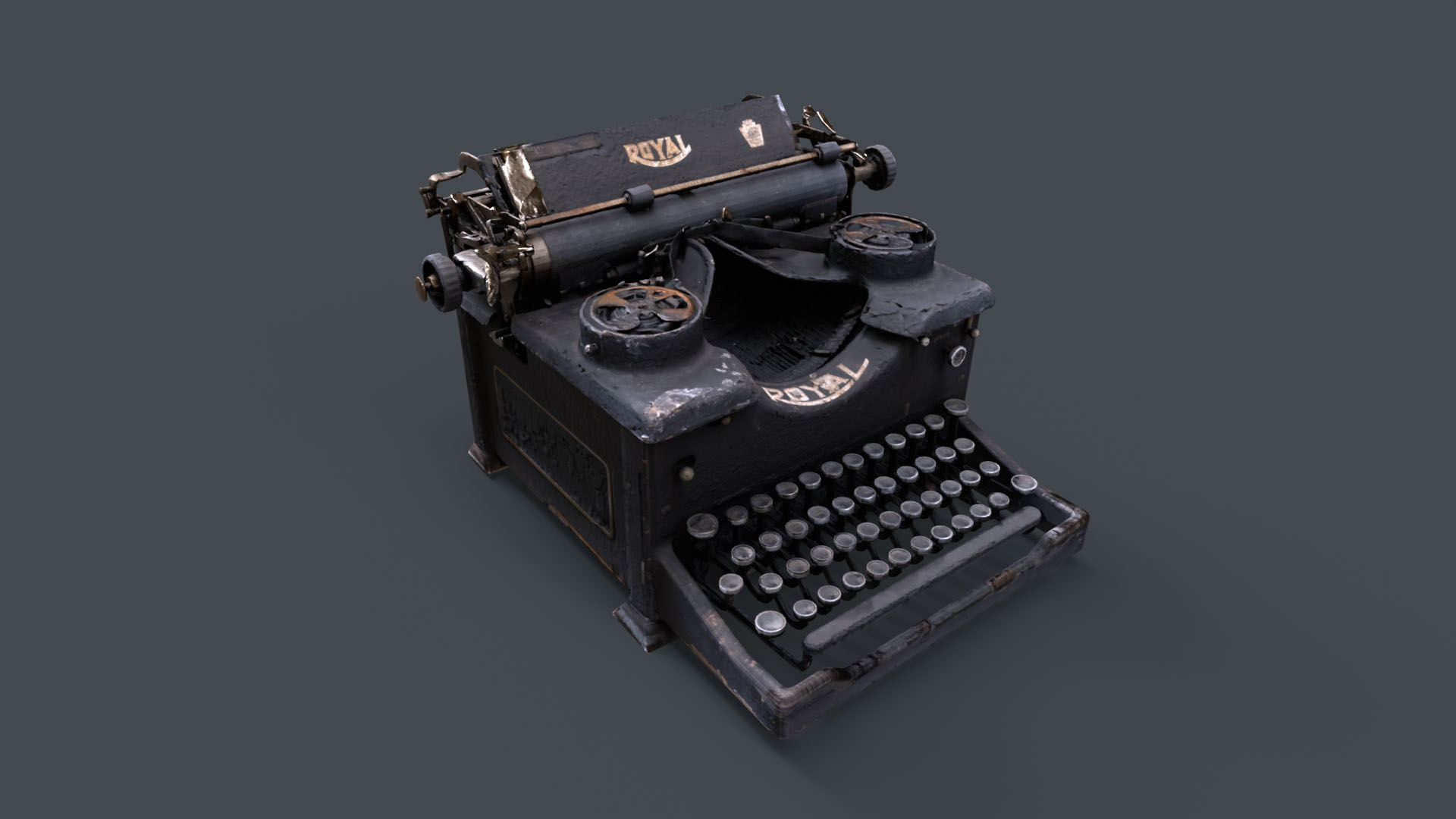
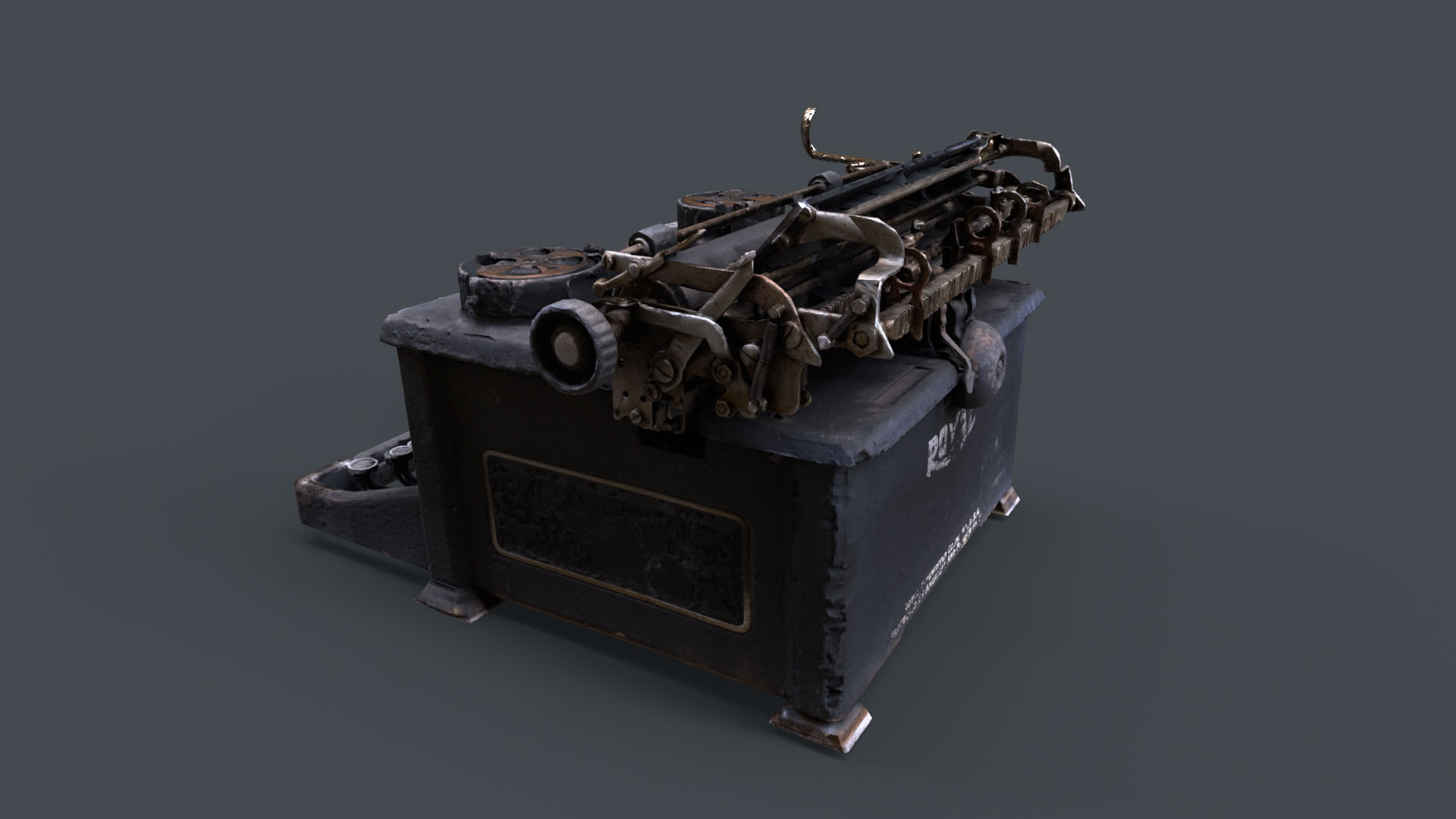
The desk is the main focus of the scene, both in terms of narrative and detail. It was a great opportunity to do some photogrammetry: instead of spending long hours modeling the intricate details of a typewriter I could do some of the photoscanning I’ve been longing for.
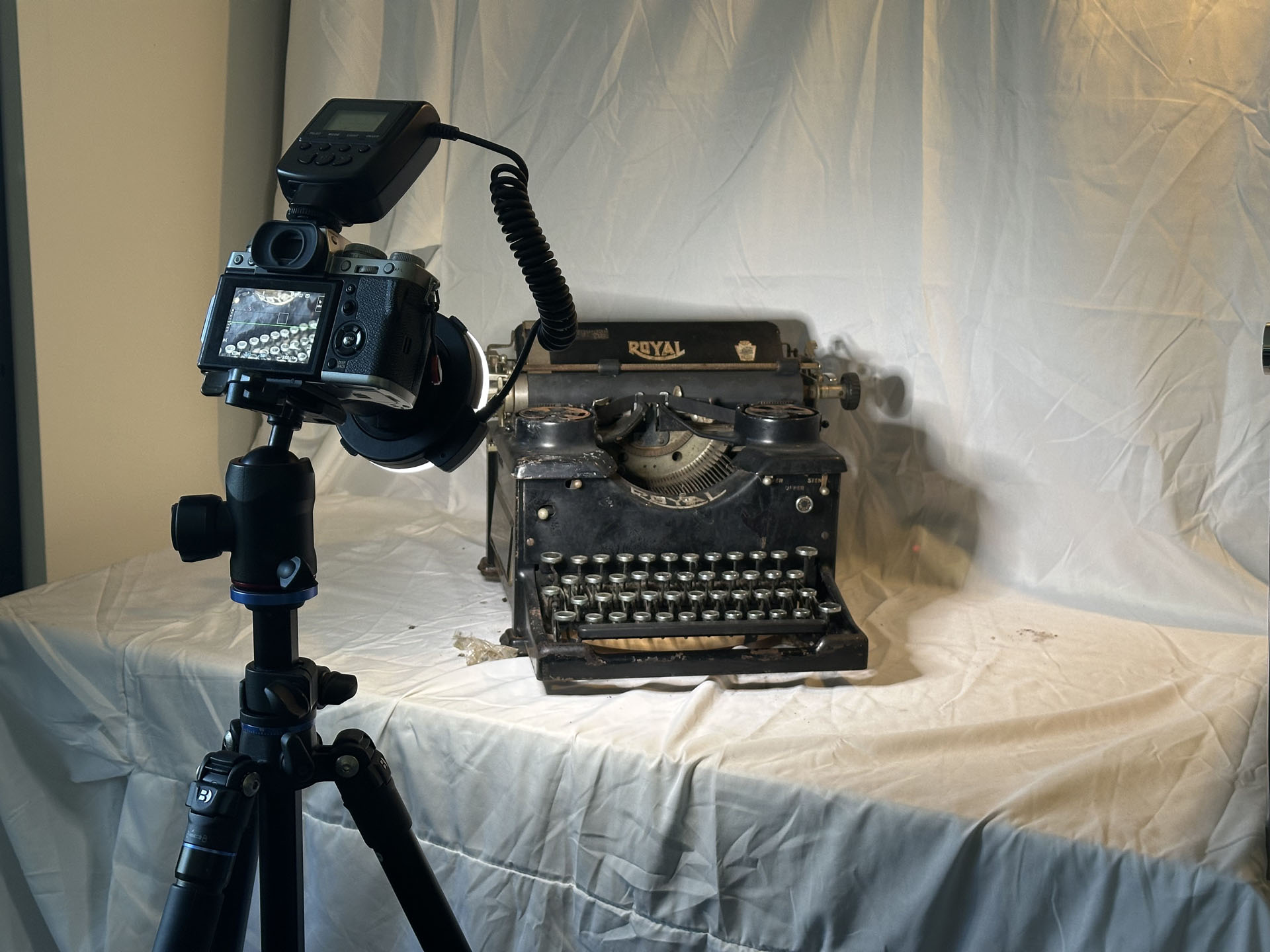
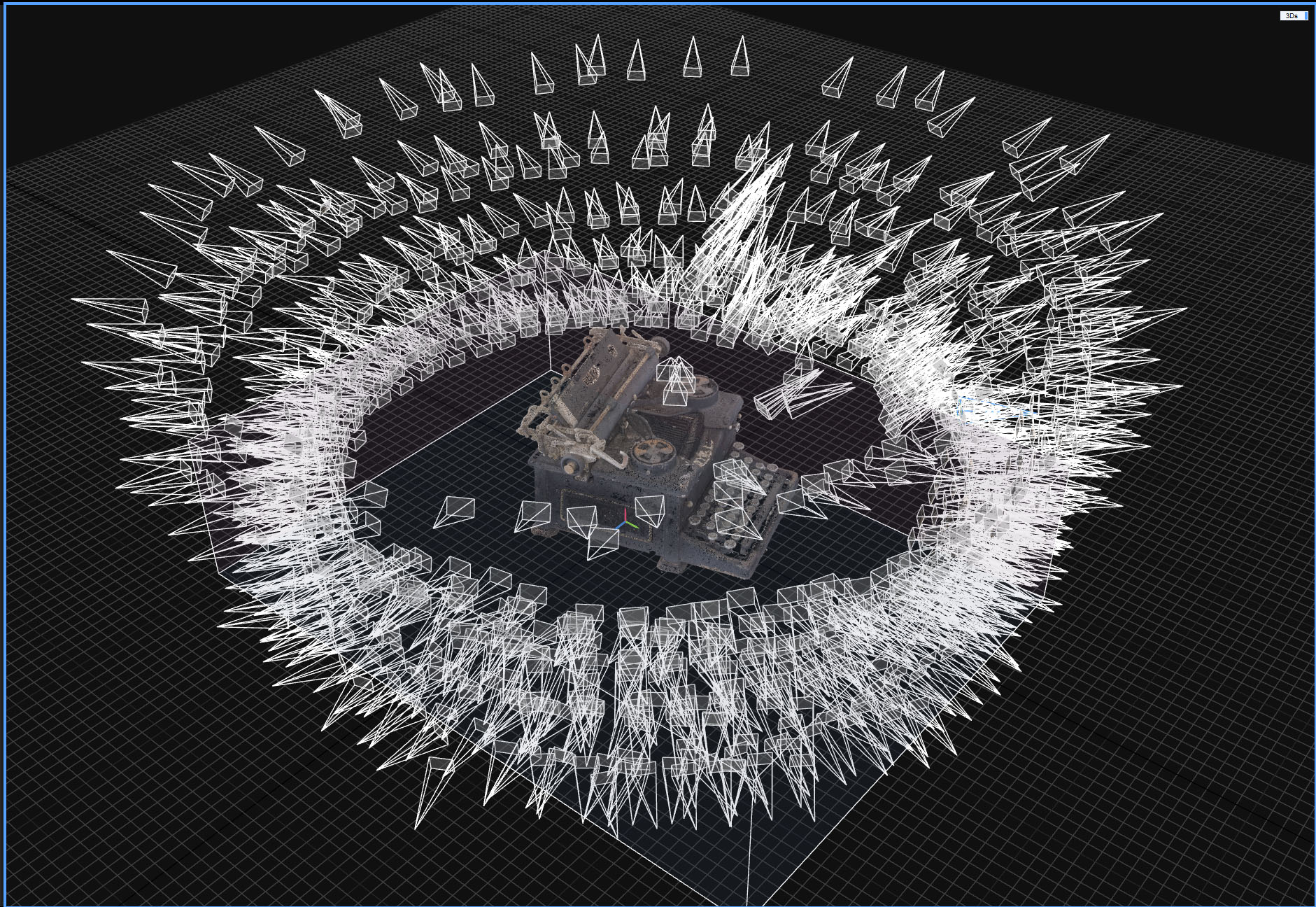
I ended up taking 1,203 pictures total to capture all the fine details. While not perfect, I was really happy with how this scan turned out for a complex object like a typewriter.
Decals
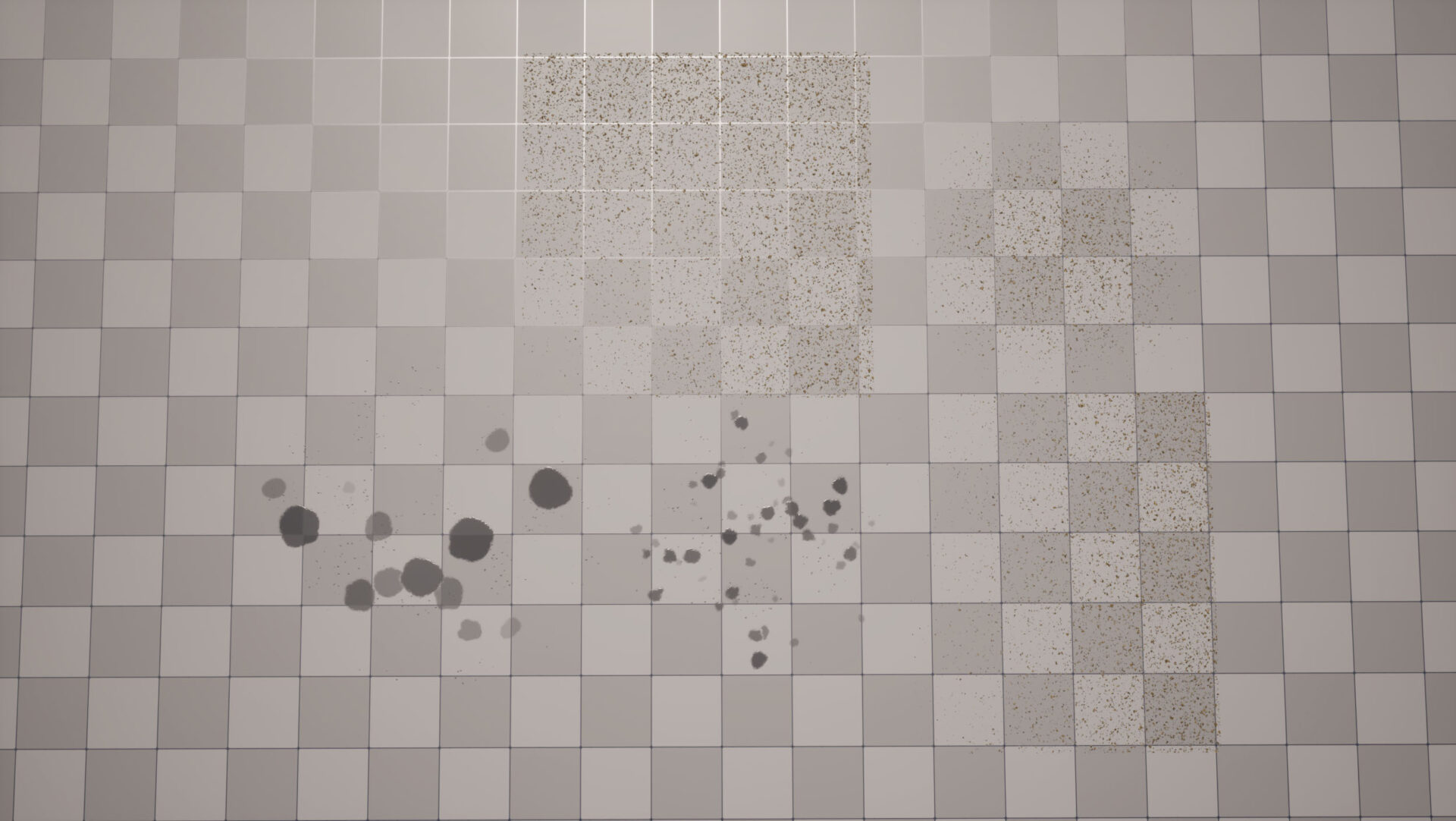
As a finishing touch, I made a few decals in Substance to break up repetition and to add some final detail. I generated a few versions of these in Unreal:
Bringing it all together
While the timeframe for this project was on the shorter side, it allowed me to combine my skills in technical art with environmental storytelling. Working within these constraints pushed me to prioritize impactful details and efficient workflows, resulting in a cohesive environment that achieves the moody, mysterious atmosphere I set as my goal.